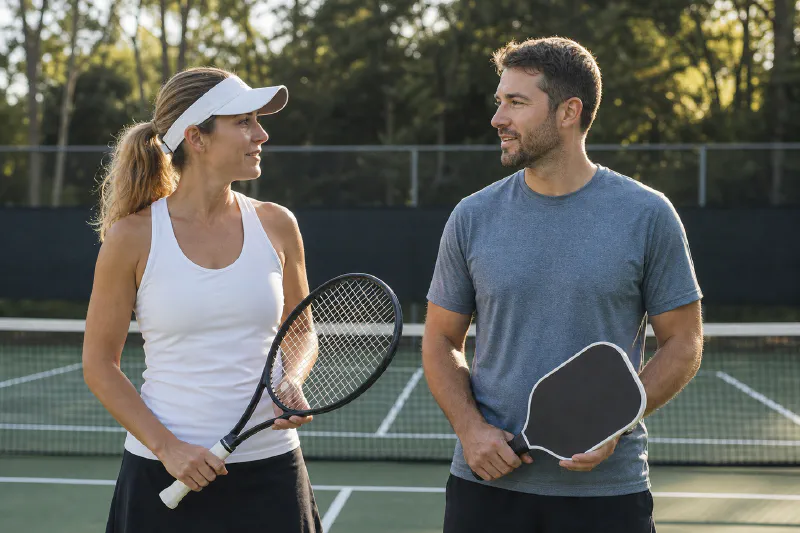
Why Adults Return to Recreational Sport
Friendship, identity, play and a little nostalgia are bringing adults back to courts, clubs and community fields.

Across parks, leisure centres and borrowed school halls, adults are returning to sport after years away. The attraction is not always a fitness target. It can be the pleasure of belonging to a team, learning a skill with other people or having one hour in the week that feels like play.
Movement with a reason
Recreational sport gives movement a plot. You are not just completing repetitions; you are returning a serve, finding space or helping a teammate. Effort becomes part of an absorbing task.
For people who find solitary workouts difficult to repeat, this shared purpose can make attendance easier.
The value of being expected
A regular booking creates gentle accountability. Teammates notice when someone is missing, but the best social groups keep that expectation welcoming rather than punitive.
Many clubs now offer beginner nights, walking versions and short-format leagues. These formats recognize that adults arrive with jobs, caring responsibilities and different histories of movement.
Nostalgia without comparison
Returning to a childhood sport can reconnect someone with an earlier identity. The risk is comparing today’s body with a memory from years ago.
A better return begins with current capacity. Shorter sessions, longer warm-ups and recovery days are not signs that the sport “no longer counts.” They are how the activity becomes part of life again.
Finding the right room
Ask organizers how they welcome new or returning players, how teams are balanced and whether equipment can be borrowed. Watch a session if possible. The atmosphere tells you more than a polished website.
The growth of recreational sport is a useful reminder: adults do not outgrow play. They simply need formats that make room for the lives they have now.