Yoga Mat Thickness Compared: Which Option Works Best for Sensitive Knees at Home?
A practical comparison of thin, thicker and foldable yoga mat options for sensitive knees, plus when yoga blocks offer a steadier solution in a small home space.
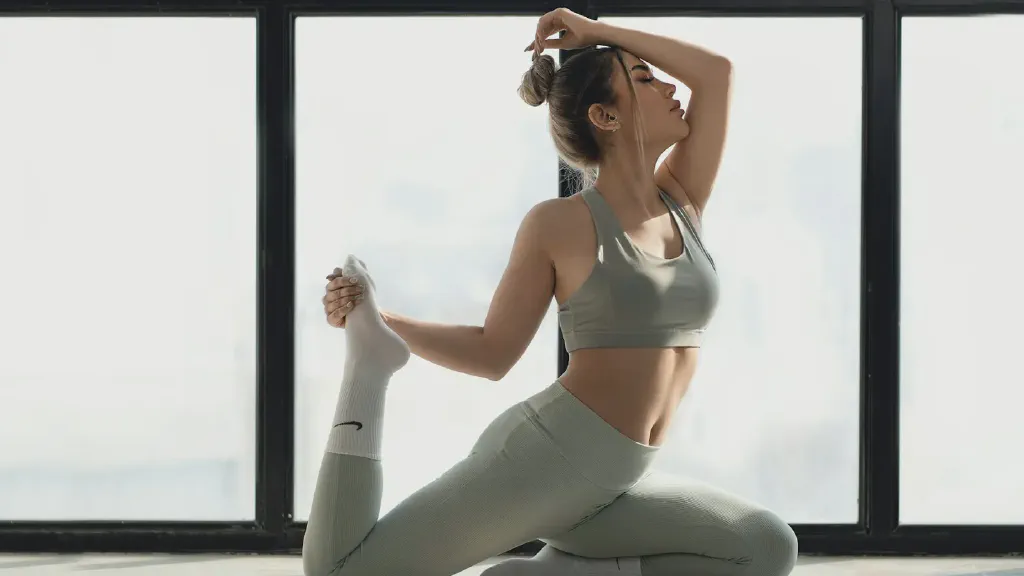
For most beginners with sensitive knees at home, the best starting point is usually a medium-thickness mat—often around 1/4 inch—plus a folded blanket or knee pad for poses that put direct pressure on the knees. This approach gives you useful cushioning without making standing poses feel overly soft or unsteady. Choose an ultra-thin non-slip mat if grip, portability and storage matter most; choose a thicker cushioning mat if your practice is mostly slow floor work; and add blocks when limited flexibility makes you sink too deeply into lunges or folds.
The important point is that knee comfort is not only about choosing the thickest possible surface. A stable setup, sensible pose modifications and targeted padding often work better in a small room than a bulky mat that is difficult to store and awkward to move on.
Why mat thickness changes how yoga feels
A yoga mat has two competing jobs. It needs to soften contact with a hard floor, particularly at the knees, hips, elbows and spine. It also needs to provide a stable platform under the feet and hands. As thickness rises, pressure from the floor may decrease, but the surface can become more compressible. That can make a chair pose, warrior balance or step from downward dog feel less precise.
For sensitive knees, consider when the discomfort occurs. If it appears only in tabletop, low lunge, half-kneeling work or child’s pose, you may not need a deeply cushioned mat for the whole session. A small folded blanket beneath the knees can solve the immediate problem while leaving the rest of the mat firm for standing sequences.
If your knees ache throughout floor-based exercise, or you are practising on tile, concrete or thin carpet over a hard floor, a more cushioned base may be worthwhile. Even then, avoid assuming that softness alone makes a pose safer. Good alignment, a comfortable range of motion and the ability to stop when pain increases matter more than forcing a pose on a thicker mat.
Option 1: Thin non-slip mats for grip and easy storage
Thin mats suit people who want a low-profile practice surface that rolls up easily and takes little room in a cupboard, under a bed or beside a desk. Because your feet remain close to the floor, they can feel stable in standing work. They are also convenient for a small home where the mat needs to be put away after every session.
The compromise is obvious during kneeling poses. On a hard floor, an ultra-thin mat generally does little to distribute pressure under the kneecap. A practical solution is to keep a folded hand towel, small blanket or separate knee pad within reach. Slide it under both knees for tabletop and child’s pose, or under the back knee in a lunge. Remove it before standing balances and flowing transitions.
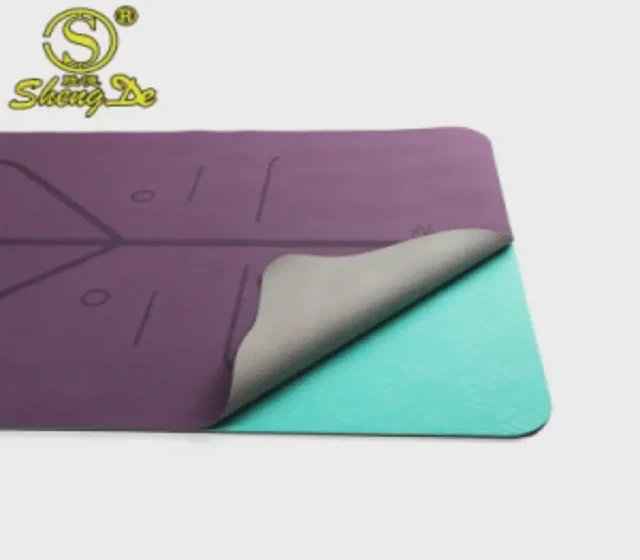
Non Slip Washable Gymnastics Custom Washable Sports Ultra-Thin TPE Yoga Mat
- MIC category
- Yoga Supplies
This supplier listing from Fuqing Shengde Intelligent Manufacturing describes an ultra-thin TPE yoga mat with non-slip and washable claims. That format suits people who value a close-to-the-floor, grounded feel for standing poses and have limited storage space. For sensitive knees, plan on using separate targeted padding for kneeling work rather than expecting an ultra-thin surface to provide substantial cushioning.
Best for Small-space practitioners who mainly do standing flows and are happy to add a blanket or knee pad for kneeling poses.
- Ultra-thin format
- Supplier listing describes it as non-slip
- Supplier listing describes it as washable
- Easy-to-store style of mat
Confirm before inquiry: The listing does not provide a thickness measurement in the supplied product facts. Check the final supplier specification before ordering, especially if knee cushioning is your priority.
A thin mat can therefore work well for sensitive knees, but only when you treat it as the grippy base layer rather than the complete cushioning solution. This combination is especially useful for short home sessions where you alternate between standing mobility work and a few supported floor poses.
Option 2: A 1/4-inch mat for an everyday compromise
A mat around 1/4 inch thick is often the easiest recommendation for a beginner who wants one mat to do most things. It tends to offer more comfort than an ultra-thin option in kneeling and seated positions while retaining a reasonably direct connection with the floor. That matters when learning to distribute weight evenly through the feet or hands.
This thickness will not make hard-floor kneeling feel weightless, especially if you spend several minutes in a restorative pose. But it can reduce the need to stop and rearrange extra padding during every brief transition. In a compact room, it is also generally easier to roll and store than a very thick exercise mat.
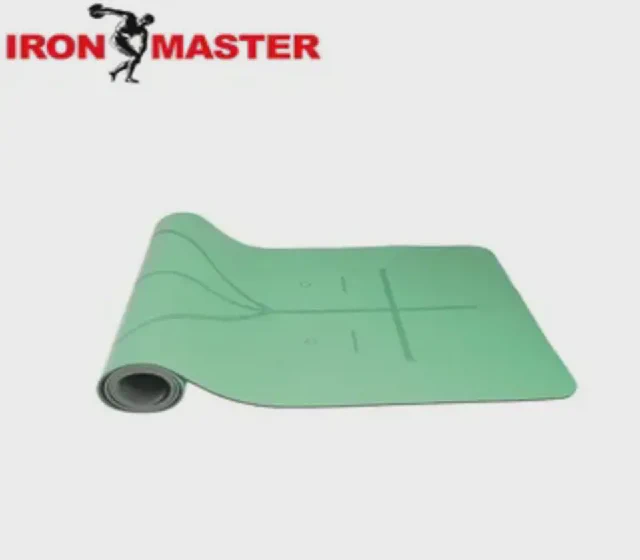
The Vine Fitness Premium 1/4 Inch Thick Yoga Mat is listed by Nantong Ironman Sporting Industrial Co., Ltd. A 1/4-inch format is often the practical middle ground for home yoga: noticeably more forgiving than a thin travel-style mat while still firm enough to make standing poses and transitions easier to control. It is the most directly relevant format here for a beginner seeking more knee comfort without turning every pose into a balance challenge.
Best for Beginners who want one everyday mat for mixed standing, seated and gentle kneeling practice at home.
- Product name specifies 1/4-inch thickness
- Middle-ground cushioning concept
- Suitable format for varied home yoga sessions
- Less need to trade all stability for softness
Confirm before inquiry: A 1/4-inch mat may still not be enough for prolonged kneeling on hard flooring. Keep a folded blanket nearby for poses such as tabletop, low lunge and camel.
For a first home-yoga purchase, this is the format to consider if you practise a mixture of standing flows, gentle strength work, seated stretches and occasional kneeling. Keep a blanket nearby anyway. It gives you flexibility: use the mat alone when it feels comfortable, and add padding only where your body asks for it.
Option 3: Thicker cushioning mats for slower floor sessions
Thicker mats can be appealing if the floor is unforgiving or your routine includes extended floor work. They may feel more comfortable for supported stretches, supine positions and slow mobility sessions. If your practice is primarily gentle, with few rapid transitions or balancing poses, the extra cushioning can be welcome.
However, thicker is not automatically better for yoga. On a notably soft surface, the foot can sink and wobble in standing shapes. Hands may also feel less secure in downward dog or plank, particularly when you are still learning how to press evenly through the palms. Thick mats can be larger and heavier to store, too, which matters if your only practice area is between a sofa and a coffee table.
Before buying a bulky mat, try the targeted-padding method at home. Place a folded blanket on top of your existing mat for a kneeling pose. If that improves comfort without affecting the rest of your practice, you may not need a thicker full-size mat at all.
What about a foldable yoga mat?
A foldable yoga mat can make sense in a small home because it can fit in a drawer, cupboard or travel bag more neatly than a rolled mat. It also lets you double sections over for stationary kneeling work. But folds and seams can become distracting or unstable if they sit under your feet, hands or knees during a flowing sequence.
If you use a foldable mat, unfold it fully for standing work and place it on a clean, dry, flat floor. Fold or layer it only for still, supported positions. Avoid creating a thick ridge beneath one knee, as uneven support can feel worse than a firm, level surface.
It is also worth separating the idea of a foldable mat from larger folding fitness equipment. A folding reformer is a substantial Pilates machine, not a compact yoga mat, and it does not solve the same home-practice problem.
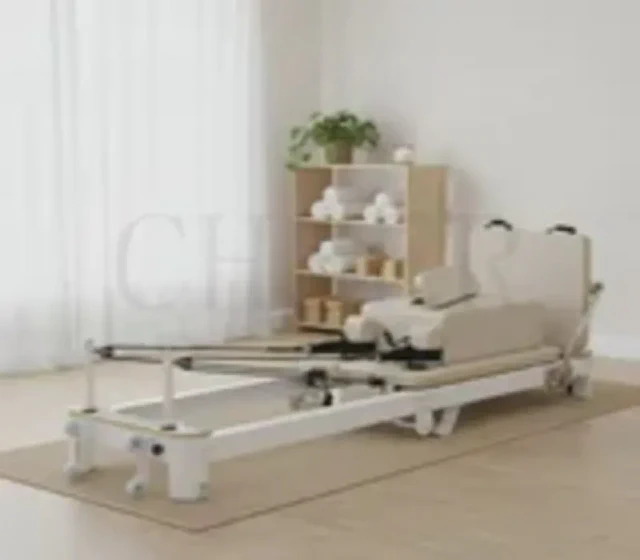
Aluminum Foldable Pilates Reformer Portable Folding Pilates Reformer Professional Pilates Reformer Pilates Reformer for Sale Fitness Pilates Reformer
- Displayed price
- US$ 710-790 / Piece
- MIC category
- Yoga Supplies
This Aluminum Foldable Pilates Reformer Portable Folding Pilates Reformer Professional Pilates Reformer Pilates Reformer for Sale Fitness Pilates Reformer is a different category of equipment from a foldable yoga mat. Beijing Cheer Fitness Equipment Co., Ltd. lists it in Yoga Supplies, with a displayed price of US$ 710-790 per piece. A reformer may appeal to someone building a dedicated Pilates space, but it is not a simple solution for knee comfort during floor-based yoga and requires far more room, setup consideration and budget than a mat-and-props arrangement.
Best for People specifically considering dedicated Pilates equipment, not beginners choosing a yoga mat for a compact room.
- Foldable equipment format
- Listed in the Yoga Supplies category
- Displayed listing price: US$ 710-790 per piece
- A distinct equipment choice from a portable yoga mat
Confirm before inquiry: Do not confuse a folding reformer with a foldable yoga mat. For a small-room yoga practice, a mat, blanket and blocks are usually the simpler starting setup.
For most people working in a small room, a basic mat with a blanket and two blocks is simpler, quicker to set up and easier to adapt from day to day.
Add blocks before forcing deeper positions
Blocks are among the most useful additions for a beginner with sensitive knees. They do not cushion the knee directly, but they can reduce strain caused by trying to reach the floor before your mobility is ready.
In a low lunge, place blocks under both hands instead of dropping your hands to the floor. This raises the floor toward you, allowing a more upright torso and giving you room to place padding under the back knee. In a standing forward fold, blocks can support your hands and reduce the urge to bend the knees excessively or pull yourself into a deeper stretch. In supported restorative poses, blocks can also help position a blanket, bolster or folded cushion at a height that feels comfortable.
Use blocks as adjustable furniture, not as something to reach for only when a pose looks difficult. The goal is a shape you can breathe in steadily, not the deepest version of a posture.
A small-room setup that stays practical
Set your mat with enough clearance to extend your arms and legs without striking furniture. If space is limited, practise slower sequences rather than forcing fast transitions. Keep your blanket or towel folded at the top edge of the mat, and place blocks to one side where you can reach them without stepping off the mat.
For kneeling poses, pad both knees evenly. If one knee is more sensitive, use a thin extra layer rather than creating a dramatically uneven surface. Move slowly when stepping forward from kneeling, and use blocks for hand support if getting up from the floor feels awkward.
Sharp, catching or escalating knee pain is a reason to stop the pose rather than add more padding and continue. This article offers general equipment guidance, not medical advice. If knee pain is persistent, follows an injury, includes swelling or instability, or affects daily movement, seek advice from a qualified healthcare professional.
The practical choice
Choose an ultra-thin non-slip mat if your priority is grip, easy storage and standing practice, then add a blanket for kneeling. Choose a 1/4-inch mat if you want the most versatile single-mat option for ordinary home yoga. Consider a thicker cushioning mat when most of your routine is slow floor work and you do not mind a softer, bulkier surface. Use a foldable mat only when storage is the deciding factor, and keep its folds flat for active practice.
For many sensitive-knee beginners, the least awkward answer is not a specialised, oversized setup. It is a stable medium-thickness mat, two blocks and one folded blanket—enough support for the knees, enough firmness for balance, and little enough gear to fit comfortably into everyday life.
This article offers general information, not medical advice. Adjust activity to your experience and seek qualified guidance when needed.
FAQ
What is the best yoga mat thickness for sensitive knees?
For many home practitioners, a mat around 1/4 inch thick is a sensible starting point because it provides more cushioning than a travel-style mat without becoming excessively soft for standing balance work. If kneeling remains uncomfortable, add a folded blanket or dedicated knee pad under the knees.
Is a thicker yoga mat always better for knee pain?
No. More foam can reduce pressure from the floor, but a very soft mat can also make standing poses, balance work and step-through transitions feel less steady. The best option is the one that cushions your knees while still allowing you to feel stable through your feet and hands.
Can I use a folded yoga mat for extra knee cushioning?
You can fold or layer a mat for stationary kneeling work if it stays flat and does not create an unstable edge. For flowing practice, a folded blanket or small knee pad is often easier to position and less likely to move under you.
Do yoga blocks help with sensitive knees?
They can. Blocks bring the floor closer in poses such as lunges, half splits and standing folds, so you may not need to bend as deeply or force your range of motion. They do not replace knee cushioning, but they can make a beginner setup more comfortable and manageable.
When should knee discomfort be checked by a professional?
Stop or modify the pose if you have sharp pain, swelling, locking, giving way, pain after a fall, or discomfort that persists outside practice. A qualified healthcare professional can help identify suitable activity modifications for your situation.