Walking Pad vs Folding Treadmill vs Under-Desk Treadmill: Which Fits a Small Apartment?
A practical comparison of walking pads, folding treadmills and under-desk treadmills for small apartments, with advice on footprint, noise, stability, storage and beginner safety.

For a beginner in a small apartment, a folding treadmill with a handrail is usually the safest all-round choice if you can give it a regular exercise corner. Choose a slim walking pad when storage is your overriding problem, and choose an under-desk treadmill only if slow walking while working is your main goal. The best treadmill for a small apartment is not automatically the thinnest machine: it is the one you can place securely, step onto confidently and live with without upsetting your household.
Start with the space you use, not the space you wish you had
Compact fitness equipment is often described by its folded size, but your body needs the machine’s open, working footprint. A treadmill that slips beneath a bed may still occupy a meaningful strip of floor when the belt is running. You also need room to approach it, stand comfortably and step off without meeting a coffee table, wall or bed frame.
Before comparing listings, mark out the likely machine area with tape or towels. Include a clear area behind the rear of the belt, plus enough side room to mount and dismount without twisting around furniture. Measure the route from the delivery point to the apartment as well: lift dimensions, turns on a stairwell, narrow corridors and door widths can matter as much as the living-room plan.
A second check is the floor. Treadmills should sit on a firm, level surface. Thick, soft carpet can make a compact machine feel less planted, while hard flooring can amplify vibration. A suitable equipment mat can help protect the floor and reduce some vibration, but it cannot turn a heavy footfall into silence.
Walking pad: the strongest answer when storage comes first
A walking pad is generally a low-profile walking platform, often without a full upright console or handrail. Its appeal is obvious in a studio: after a session, it may fit beneath a sofa, bed or raised storage unit that could never accommodate a folded upright treadmill.
That slimness involves trade-offs. With no handrail to hold, a beginner must be comfortable finding their balance, changing speed and stepping on and off independently. A shorter or narrower deck can also feel restrictive if your natural stride is long. This does not make a walking pad inherently unsafe; it means the format asks more of your balance and attention than a conventional treadmill.
Walking pads make most sense for an experienced, steady walker who wants uncomplicated indoor steps at a moderate pace. They are less compelling if you expect to use hand support, share the machine with someone less confident, or hope to build towards faster walking and running. Check whether the stated speed range is genuinely walking-focused, and look for practical details such as an emergency stop method, a remote that is easy to reach and clear instructions for storage.
Storage has its own safety routine. Let the machine stop fully, unplug it where appropriate and follow the manufacturer’s instructions before moving it. Avoid storing a heavy unit where it can slide out unexpectedly or where children may pull it from under furniture.
Folding treadmill: more floor space, more reassurance
A folding treadmill with a handrail is the conventional compromise for apartment living. It usually takes more room than a walking pad when open, and its upright folded form needs a safe parking spot. In return, it can offer the thing many new walkers value most: something stable to hold while learning the controls and settling into a rhythm.
Handrails should support confidence, not become a place to hang your body weight. Gripping them tightly can alter posture and walking mechanics. Still, having them available can make starts, stops and speed changes feel much more manageable. A raised console may also make controls easier to see than a low-profile walking pad’s remote or minimal display.
The approved listing below is an example of the format to investigate.
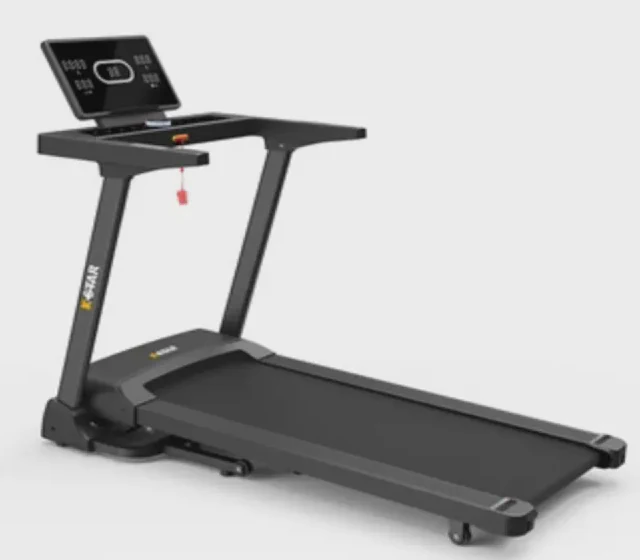
Home Use Electric Treadmills 0.8-12km/H Folding Multi-Function Treadmill with Auto Incline Electric Treadmill
- MIC category
- Treadmill
This supplier-listed folding treadmill is the closest match here for an apartment walker who wants a more traditional treadmill layout. Its listing title states a 0.8–12 km/h speed range and auto incline, which suggests a broader use case than a simple walking-only platform. A folding design can reclaim some floor space between sessions, but buyers should confirm its folded dimensions, transport-wheel arrangement, deck measurements, assembled weight and required clearance directly with the supplier before ordering.
Best for A resident with a permanent exercise corner who values hand support, a wider speed range and the option to progress beyond gentle walking.
- Supplier listing title states a 0.8–12 km/h speed range
- Folding design
- Listing title references auto incline
- Traditional treadmill-style format can feel more familiar to beginners
Confirm before inquiry: The available supplier-listing information does not provide dimensions, deck size, noise figures, weight capacity or a displayed price. Treat speed and incline wording as listing claims and verify full specifications before purchase.
The supplier listing title for the Home Use Electric Treadmills 0.8-12km/H Folding Multi-Function Treadmill with Auto Incline Electric Treadmill states a 0.8–12 km/h range, a folding design and auto incline. That range potentially covers very gentle starts as well as brisker walking, but the title alone does not tell you whether the deck is long enough for your stride, how large the folded unit is or how it sounds in an upstairs flat. Ask for those details before making the format decision.
For small homes, do not assume folding means effortless. Some treadmills are heavy to lift, occupy substantial vertical space once folded or need careful handling around pets and children. Check whether the folding mechanism locks securely and whether you can manage it on your own. If a machine will stay open most of the time, its folded dimensions are less important than its open footprint and whether that permanent location interrupts daily life.
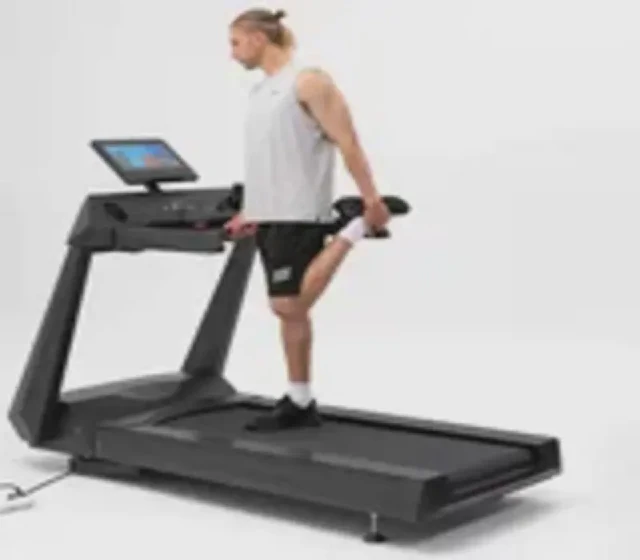
AC Motor Exercise Incline Motorized Sport Running Fitness Gym Treadmill Machine
- Displayed price
- US$ 930-950 / Piece
- MIC category
- Treadmill
This AC Motor Exercise Incline Motorized Sport Running Fitness Gym Treadmill Machine is presented by All Universe Fitness Technology (Qingdao) Co., Ltd. as a more substantial motorized treadmill. The displayed supplier-listing price is US$ 930–950 per piece. Its title points to an incline-capable running and fitness machine, so it is more relevant to someone building a dedicated training area than a renter seeking a slim unit to store beneath a sofa. Confirm its actual footprint, folding status, electrical requirements and delivery access before treating it as an apartment option.
Best for Someone with a larger dedicated corner who wants to investigate a full-size treadmill format rather than the smallest possible machine.
- Motorized treadmill format
- Listing title references incline
- Displayed supplier-listing price: US$ 930–950 per piece
- Supplier: All Universe Fitness Technology (Qingdao) Co., Ltd.
Confirm before inquiry: No compact-storage dimensions, noise rating, speed range or deck measurements are supplied in the approved listing facts. It may not be a practical choice for a studio flat.
A larger motorized incline model may be attractive for a dedicated training corner, but it is rarely the straightforward answer to a tight studio. The AC Motor Exercise Incline Motorized Sport Running Fitness Gym Treadmill Machine has a displayed supplier-listing price of US$ 930–950 per piece. Its title suggests a fuller gym-style treadmill proposition, so verify both physical dimensions and whether it folds before assuming it belongs in a space-constrained home.
Under-desk treadmill: best for workday movement, not every workout
An under-desk treadmill is designed to sit beneath a standing desk, usually for low-speed walking while answering emails, reading or attending calls. In practice, it can be a good fit for a shared home because its purpose is controlled, unhurried movement rather than a sweaty, high-speed session.
However, an under-desk setup only works if your desk is truly suitable. A seated desk does not become safe standing-desk equipment by putting a treadmill underneath it. You need stable work-surface height, sufficient leg room and a screen position that does not encourage you to crane your neck. Start without complex work tasks: walking and typing or joining a video meeting can feel awkward until your coordination improves.
These machines generally overlap with walking pads in their low-profile design, but the intended use differs. A walking pad may be your intentional daily walk. An under-desk treadmill is more about breaking up sitting time. If you want a focused 30-minute walk where you can swing your arms naturally, a conventional folding treadmill can be the more comfortable choice.
Noise: think vibration, timing and maintenance
No supplier description can guarantee apartment-friendly quietness, because noise is affected by the building as well as the treadmill. Motor sound is only one part of the picture. Belt contact, deck vibration, shoes striking the surface and resonance through the floor can be more noticeable to neighbours than the sound you hear while walking.
To keep disruption down, position the machine away from a shared wall when possible and use it on a firm, level floor with a protective mat suited to fitness equipment. Walk smoothly rather than heavily, wear secure trainers and keep the belt maintained according to the manufacturer’s instructions. Avoid very early or late sessions if walls and floors are thin. In a shared household, agree on a time window before a machine arrives.
Do not use a treadmill in socks, and do not place loose rugs, cables or clutter near the belt. Keep water away from the electrical area. If you feel dizzy, unstable or unusually breathless, stop and seek appropriate medical advice. Anyone with a health condition, recent injury, balance concern or uncertainty about starting exercise should speak with a qualified healthcare professional first.
A quick match for each apartment situation
Studio flat with under-bed storage: Choose a walking pad if you are steady on your feet and need to put the machine away after every use. Prioritise low storage height, manageable moving weight and a safe place to store it flat.
Shared home or rented flat: A folding treadmill can be the better long-term purchase when you want a handrail and reliable place to walk. Put more effort into matting, location and agreed usage times than chasing a vague “quiet” claim.
Home office with a real standing desk: An under-desk treadmill suits short, gentle bouts of movement during the workday. Do not expect it to deliver the same experience as a full walking workout.
Dedicated corner with room to spare: A larger motorized treadmill may offer a broader training range, but confirm dimensions, handling requirements and noise expectations before committing. An all-in-one gym machine is a different category altogether, not a compact walking solution.
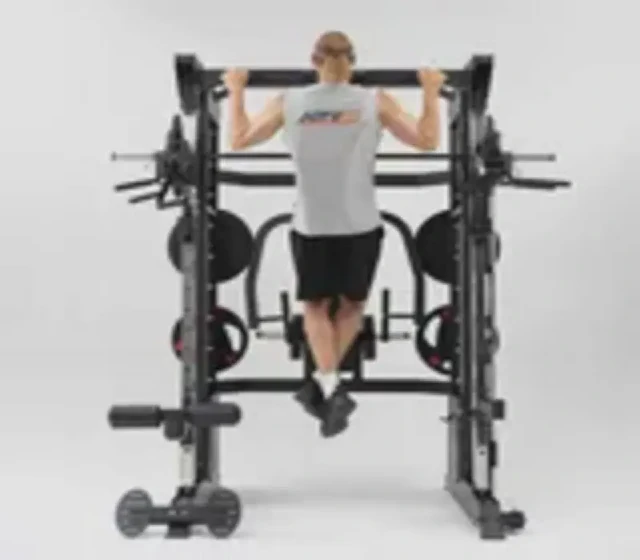
All-in-One Multi-Functional Smith Gym Machine for Home Gym Fitness
- Displayed price
- US$ 1150-1200 / Piece
- MIC category
- Treadmill
Although this All-in-One Multi-Functional Smith Gym Machine for Home Gym Fitness appears in the supplied treadmill category inventory, its product name identifies it as a multi-station strength-training machine rather than a walking pad, folding treadmill or under-desk treadmill. All Universe Fitness Technology (Qingdao) Co., Ltd. lists a displayed price of US$ 1150–1200 per piece. For the small-apartment walking question, it is mainly a useful contrast: multi-function equipment can seem space-efficient on paper, but it is not the compact, quickly stowable walking solution most beginners are looking for.
Best for A dedicated home-gym plan that includes strength training, not a buyer specifically seeking a compact treadmill.
- Multi-functional Smith gym machine format
- Displayed supplier-listing price: US$ 1150–1200 per piece
- Supplier: All Universe Fitness Technology (Qingdao) Co., Ltd.
- Not presented as a walking-pad or under-desk design
Confirm before inquiry: This is not a direct treadmill-format recommendation. Confirm all dimensions, installation needs and intended use with the supplier.
The All-in-One Multi-Functional Smith Gym Machine for Home Gym Fitness illustrates why category labels can be misleading. Although supplied in the same inventory, it is strength equipment rather than a walking machine. Its displayed supplier-listing price is US$ 1150–1200 per piece, and it belongs in a planned home gym rather than a small-apartment search for a stowable treadmill.
The practical decision is simple: buy a walking pad when storage beats all else, a folding handrail treadmill when beginner security matters most, and an under-desk treadmill when your goal is gentle movement between work tasks. Measure first, verify the listing specifications directly, and leave enough room for safe use. That is what makes a compact treadmill genuinely apartment-friendly.
This article offers general information, not medical advice. Adjust activity to your experience and seek qualified guidance when needed.
FAQ
What is the best treadmill for a small apartment?
For most beginners, a folding treadmill with a handrail is often the best all-round choice if there is room to use it safely. Choose a walking pad when under-bed storage is the priority, or an under-desk treadmill when you mainly want gentle movement while working.
Are walking pads stable enough for beginners?
They can be stable on a firm, level floor when used within their intended walking range, but stability and confidence are not the same thing. A model without a handrail requires more balance awareness, so a folding treadmill with hand support may be a better starting point for someone unsteady on their feet.
Will a compact treadmill disturb downstairs neighbours?
It may, especially in older buildings or apartments with hard floors. A dense equipment mat, well-maintained belt, smooth walking technique and considerate timing can reduce transmitted vibration, but no treadmill can be assumed silent.
Can an under-desk treadmill replace a regular treadmill?
Not always. Under-desk models are designed primarily for slower walking and usually omit features such as a full handrail, larger console or running-focused deck. They are useful for adding movement to the workday, rather than replacing every walking or running session.
How much clear space should I leave around a treadmill?
Follow the specific manufacturer's setup guidance. In general, avoid placing a treadmill tight against furniture or a wall, keep access to the controls clear and leave a generous unobstructed area behind the belt so you can step off safely.